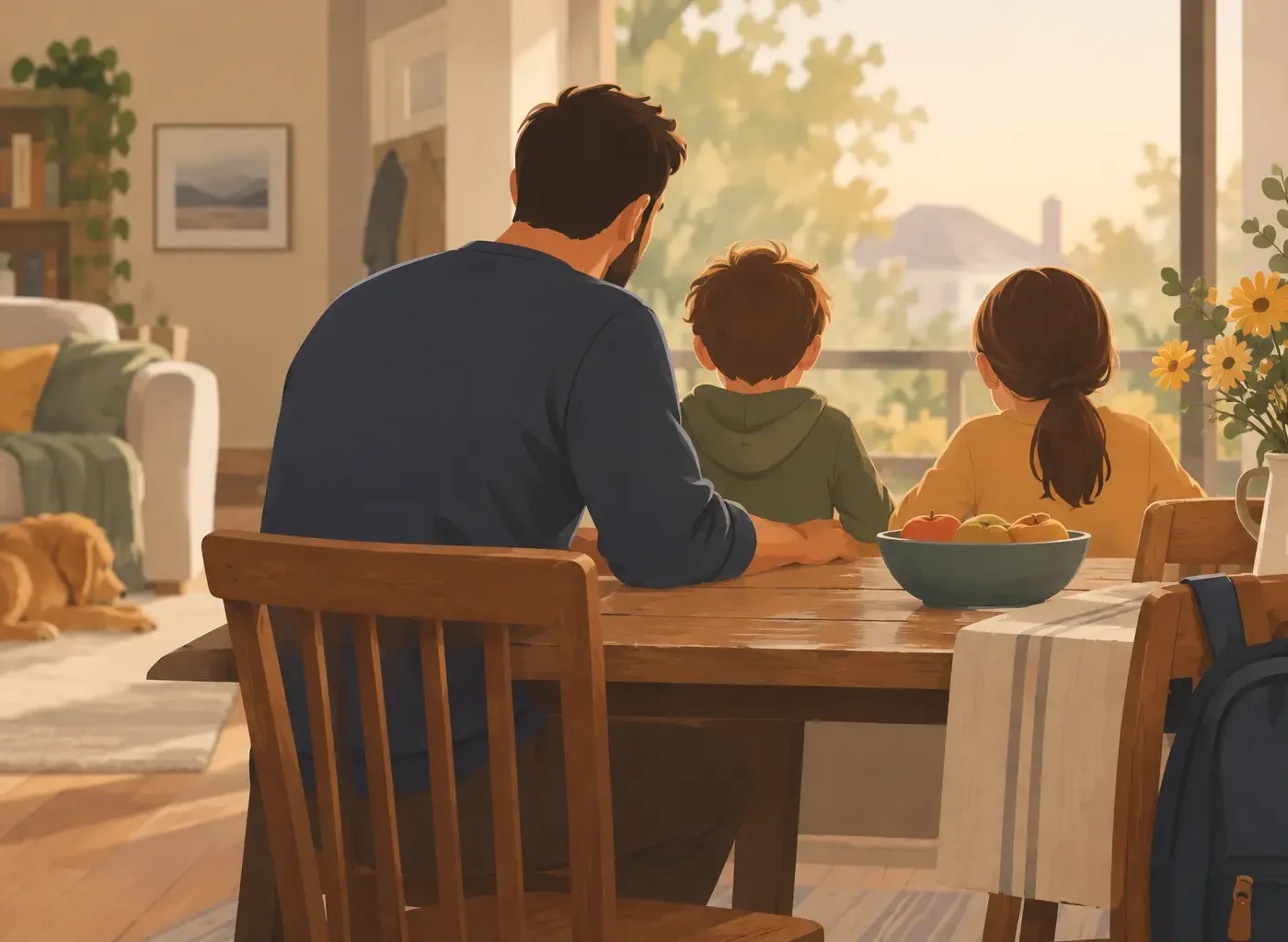
Your child is staring at a perfectly decent dinner, a birthday gift, or the ride you arranged across town, and all they can say is, “Is that it?” It can make you want to launch into a speech about how lucky they are. If you are wondering how to teach kids gratitude without the lecture, start by letting go of the idea that one well-timed talk will change their attitude.
Kids are naturally focused on what they want next. That does not mean you have raised an ungrateful child. It means they are still learning to notice the care, effort, and good things that happen around them. The useful work is quiet, repeated, and usually happens in the middle of ordinary life.
Table of Contents
Start by naming what is good
Gratitude grows more easily from noticing than from being corrected.
When your child receives something, resist the urge to ask, “What do you say?” every single time. A prompt can be helpful, especially with younger kids, but it can also turn gratitude into a line they rush through to get back to playing.
Instead, describe the moment. “Grandma remembered you like dinosaurs.” Or, “You were really hoping for that blue marker, and it was in the art box.” You are not demanding the right response. You are drawing their attention to what happened.
This works when the good thing is small, too. On the drive home, you might say, “That was kind of your friend to save you a seat.” At the table, you might notice, “These strawberries are especially sweet today.” A child does not need to answer. They are hearing what it sounds like to pay attention.
If they do say thank you, keep your response simple. “That was thoughtful.” There is no need to stretch the moment into a lesson about manners, people less fortunate, or how hard adults work. The point is not to make your child feel indebted. It is to help them see care when it is right in front of them.
Put gratitude into moments you already have
The best gratitude practice is often the one that adds no new job to your day.
A packed calendar can make another family activity feel like one more thing to manage. You do not need a special journal, a craft, or a formal conversation around the table. Use the small pauses that already exist.
When you pick your child up from an activity, try sharing one thing you appreciated about your own day. Keep it real: “I was glad the cashier was patient when I had the wrong card,” or, “I appreciated getting five quiet minutes before my meeting.” Your child may offer something back, or they may not. Either outcome is fine.
You can also point out the people behind the conveniences your child takes for granted. “The librarian set these books aside for us.” “Dad fixed the loose wheel so your scooter was ready.” “Your sister held the door when my hands were full.” This is not about making children feel guilty for receiving help. It shows them that care comes from actual people.
For older kids, be especially careful not to make gratitude feel childish or forced. A casual comment usually lands better than a round-the-table exercise. They may roll their eyes at a prompt, then quietly absorb the way you speak about other people.
Give them a way to respond
Children learn gratitude more deeply when they get to take part, not just say the right words.
A thank-you can be spoken, written, drawn, or shown through a small act. After a neighbor helps, ask your child if they want to make a card. If a coach stayed late, your child might choose to say thanks before the next practice. If an aunt sends a gift, let your child decide whether a text, a voice message, or a drawing feels most like them.
The choice matters. When a child is ordered to produce a thank-you note on demand, the task can become a battle over control. The note may still get written, but the connection gets lost. Give a clear expectation where it makes sense, then offer room in how they meet it.
You can say, “We do thank people when they make an effort for us. Would you rather send a message now or draw something after dinner?” If they need help finding words, offer a starting point without taking over: “You could say you liked the game they chose for you.”
For little kids, their part may be handing over the card you wrote together or recording a two-second voice message. That counts. They are practicing the idea that receiving care can lead to acknowledging another person.
Let disappointment and gratitude exist together
Being grateful does not require your child to pretend they are pleased with everything.
This is the part that can be hard in the moment. Your child opens a gift they do not like, gets the smaller cookie, or learns a friend has plans without them. Telling them to be grateful right away often makes them feel unseen, and it rarely creates real appreciation.
Start with the truth of the disappointment. “You had hoped for the red one.” Then, when the heat has passed, you can add another truth: “It makes sense to be disappointed, and Aunt Maya was trying to pick something she thought you would enjoy.” Both can be true.
That distinction matters because gratitude is not a tool for talking children out of normal wants. It is a way of making room for what was given, even when it was not exactly what they hoped for.
You do not need to correct every grumble. If your child complains about the snack in their lunchbox after a long day, a short response is enough: “You wanted something different. We will use what we have today.” Save the bigger gratitude conversation for a neutral moment, if it is needed at all.
Model gratitude without making a performance of it
Your child learns more from the gratitude they overhear than from the gratitude you demand.
The Child Mind Institute puts setting an example at the top of its tips for raising grateful kids, because children learn so much from simply watching how their parents treat other people.
Let them hear you thank your partner for specific things. “Thanks for handling the school form.” “I appreciated you getting everyone out the door while I finished that call.” Specific appreciation helps children notice that a home runs on many small acts of care.
This can matter especially when one parent is carrying the details that keep the week moving: locating the clean gym clothes, replying to the teacher, noticing the soap is gone, or keeping track of the gift for a class party. A partner who names that effort out loud is not making a grand gesture. They are showing children that care deserves to be seen, and it is one small way to start sharing the mental load of parenting more fairly.
One thing that worked for us was being more specific with our own thank-yous. “Thanks for dinner” is kind. “Thanks for making the version without spice because you knew I had a headache” tells a child what appreciation actually notices.
Do not force yourself into cheerful language when the day was rough. A believable “I am glad we made it home” is more useful than a polished speech about blessings. Kids can tell the difference between real gratitude and an adult trying to sound positive.
Why small moments work better than a gratitude lecture
Gratitude is a habit of attention, not a personality trait your child either has or lacks.
A lecture usually arrives when everyone is already irritated. The adult feels taken for granted, the child feels corrected, and the message becomes tangled up with shame. Even when the words are reasonable, the timing can make them hard to hear.
Small moments ask less of everyone. They do not require your child to agree that their life is wonderful or to compare themselves with someone else. They simply build a pause between receiving something and rushing past it.
It also helps to check your own goal. If you want your child to say thank you because you are embarrassed in front of relatives, the pressure can rise quickly. If you want them to become someone who notices kindness and responds with care, you can play the longer game.
For the bigger picture, see our complete guide to positive parenting by age.
Frequently Asked Questions About Teaching Kids Gratitude
At what age can kids understand gratitude?
Toddlers can learn to say thank you as a habit, but real gratitude, noticing that someone made an effort for them, usually starts developing around ages four to six and keeps growing through the school years. Expect it to come and go. Even teenagers who seem ungrateful are often absorbing more than they show.
How do I teach gratitude without lecturing?
Name good moments out loud, model specific thank-yous with your partner and others, and give your child small ways to respond, like drawing a card or recording a message. Picture a parent saying “That was kind of the bus driver to wait for us” on the walk home. No speech required.
Should I make my child write thank-you notes?
It is reasonable to expect some form of thank-you, but giving your child a choice in how they do it helps a lot. A drawing, a short text, or a voice message counts. Forcing a formal note often turns gratitude into a power struggle and makes the lesson about control instead of kindness.
Why is my child so ungrateful?
Most kids who seem ungrateful are simply young. Children naturally focus on what they want next, and noticing other people’s effort is a skill still in progress. Instead of labeling, keep pointing out kindness in everyday moments. That repeated attention, more than any lecture, is what builds the habit.
What are simple gratitude activities for families?
Share one good thing from your day at dinner or in the car, make thank-you drawings after someone helps, or keep a jar where family members drop notes about kind moments. The best ones fit into routines you already have, so they do not become another task on a busy evening.
Final Thoughts
Learning how to teach kids gratitude without the lecture mostly means trusting the slow work of everyday noticing over the satisfying, but rarely effective, big speech.
Some weeks, you will hear more complaining than appreciation. That does not erase the examples you have given or the small skills your child is building. Tonight, choose one ordinary good thing and name it out loud. No lesson attached. Just let your child hear what noticing sounds like.
And if the person you thank least often is the one carrying the most at home, that is a good place to start. Kids learn gratitude fastest by watching it between their parents.
The Family Blueprint Trilogy brings together three practical guides for being a steadier dad, a closer partner, and a real team at home, written by a mom of two who has heard “Is that it?” over a perfectly good dinner more than once.