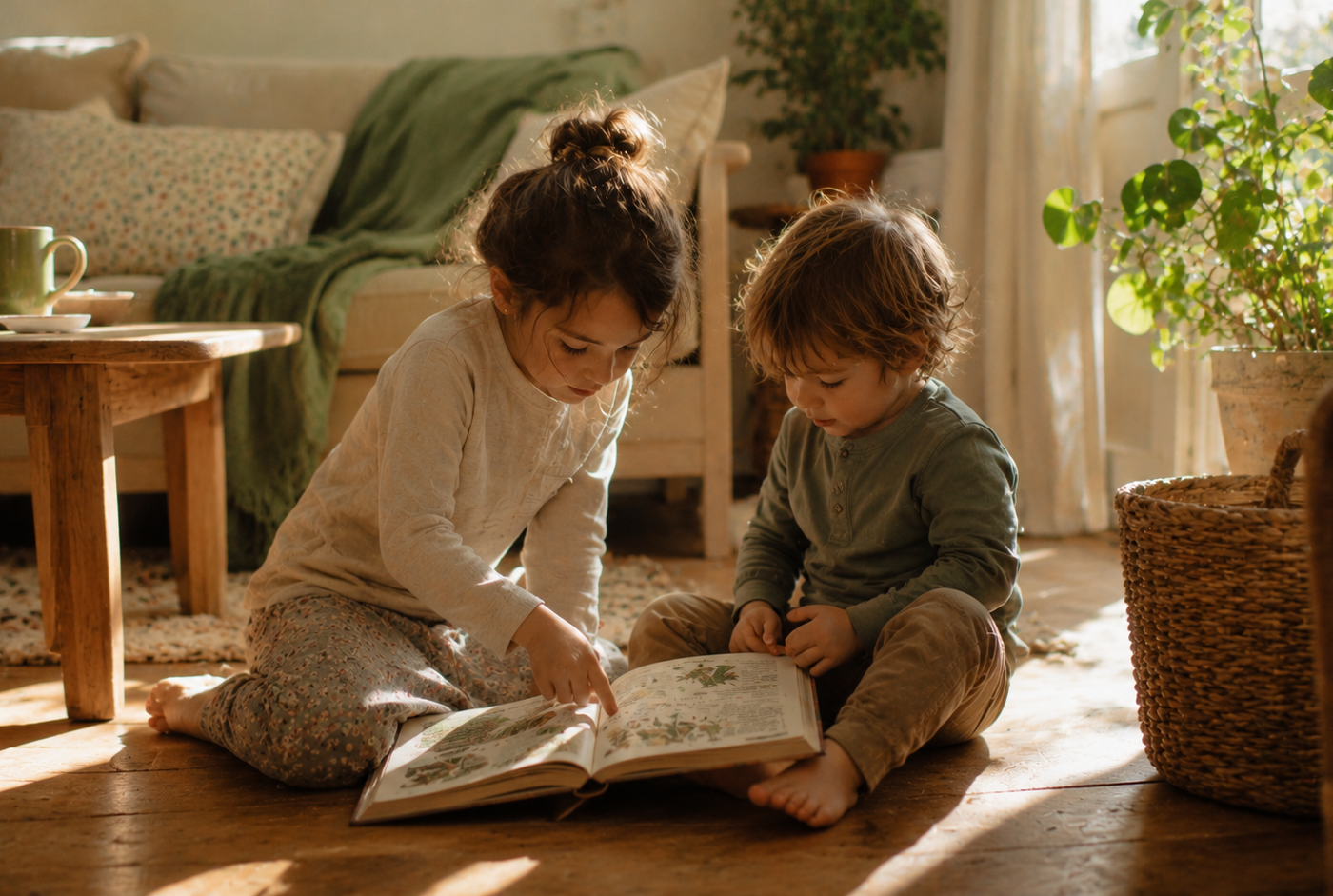
If your kids are at each other constantly, you are not alone. Sibling fighting is one of the most exhausting parts of family life, and some days it feels like your whole home runs on conflict. These sibling rivalry tips aren’t about getting kids to be best friends overnight. They’re about turning down the volume on the constant clashing, so everyone can breathe a little easier.
The good news is that sibling rivalry is completely normal. It doesn’t mean you’re doing something wrong. It means your kids are figuring out how to share space, attention, and resources with another human who is also trying to do the same thing. That’s genuinely hard, even for adults.
What follows are some of the things that have helped us, and that other parents swear by too. Not every idea will fit your family. Take what works and leave the rest.
Table of Contents
Why Sibling Fighting Happens in the First Place
Before we get into what to do, it helps to understand what’s actually going on. Sibling fighting is almost never really about the toy, the TV remote, or who got a bigger slice of cake.
Underneath most sibling arguments is something like this: I’m not sure I matter as much as they do. Kids are wired to compete for parental attention and resources. That instinct runs deep. When your older child loses it because you helped the younger one first, they’re not being unreasonable. They’re scared of being less important.
Kids also fight more when they’re tired, hungry, overstimulated, or feeling disconnected from you. A lot of the sibling arguing we see at home spikes after school pickup, before dinner, or during big transitions like a new sibling, a house move, or a change in routine. Knowing that doesn’t make the noise less grating, but it does make it easier to respond rather than just react.
Understanding the triggers is the first step in finding sibling rivalry tips that actually stick.
Sibling Rivalry Tips for Stopping a Fight in the Moment
When kids are mid-argument, the instinct is to jump in and sort it out fast. Understandable. But swooping in with a verdict usually makes things worse. One child feels vindicated, the other feels wronged, and you’ve become the referee in a game that never ends.
What tends to help instead:
Narrate what you see without taking sides. Try something like, “You both want the controller and neither of you wants to wait. That’s a tough spot.” You’re not fixing it. You’re showing them you see both of them. That alone can bring the temperature down.
Give them a moment before you intervene. If they’re not hurting each other or getting dangerously escalated, a brief pause lets them try to sort it out themselves. Sometimes they do. And when they manage it without you, that’s worth naming later: “I noticed you two figured that out. That was impressive.”
When you do need to step in, separate first and talk second. Trying to mediate two kids who are still flooded with big feelings is like trying to reason with someone mid-sneeze. Get them apart, give them a few minutes, then come back together. You can find more on helping kids get to that calmer place in this guide to helping kids calm down without shame, which is worth bookmarking if de-escalation is a regular challenge in your house.
If sibling fighting is intense and frequent, it’s also worth checking in with your pediatrician, especially if one child is regularly the target.
How to Stop Being the Constant Referee
One of the most common things parents say is: I spend half my day sorting out their arguments. This is exhausting, and it also accidentally teaches kids that conflicts get solved by getting you involved.
The shift that tends to help most is teaching kids a simple process for solving problems themselves, before they come to you.
We use a rough version of this: name what you want, name what they want, see if you can find something that works for both. It sounds simple. It takes a while to stick. But kids who practice this get better at it, even if it doesn’t feel that way in the early weeks.
You can also introduce a “peace rule” for common flashpoints. In our house, screen time is on a timer and when it goes off, it switches. No negotiation. No appeal to the court of Mom. The rule is the rule. Having agreed-upon systems for the flashpoints removes you from the equation.
For kids who are a bit older, a family meeting, even a short one, where they help set the rules around shared stuff can make a real difference. When they’ve had input, they’re more likely to buy in.
Building a Stronger Sibling Relationship Over Time
This is the long game, and it matters more than any single intervention. Sibling relationship building is something that happens in small moments, not big ones.
One thing that worked for us: giving the kids a shared “job” that only they can do together. It might be feeding the dog, choosing a Friday night movie, or being in charge of setting the table. When siblings have a shared identity and shared responsibility, something shifts. They start to see each other as teammates rather than rivals.
Positive shared experiences also matter more than we tend to think. We can’t force kids to like each other, but we can create conditions where good moments happen. A game they both enjoy, a project they can build together, a routine that’s just theirs. These aren’t dramatic. They’re small and consistent, and that’s exactly why they work.
Teaching kids to recognize and name emotions goes a long way toward reducing sibling friction too. When a child can say “I felt left out when you didn’t want to play with me” instead of screaming or hitting, everything changes. Building that emotional vocabulary is one of the most practical investments you can make. The emotional intelligence activities in this piece are a great starting point if you want something concrete to try at home.
What to Do When One Child Always Seems to Start It
Most families have one kid who seems to be at the center of most conflicts. Sometimes that’s temperament. Sometimes it’s a season of stress, a friendship issue at school, or feeling unseen at home. Very rarely is it just a child being difficult for no reason.
If one child is consistently the one starting the sibling arguing, it’s worth carving out some one-on-one time with them. Not as a reward for bad behavior, and you don’t have to frame it that way. Just some time where they have you, and they’re not competing for your attention. That alone sometimes quiets things down considerably.
It’s also worth noticing patterns. Does the conflict escalate at a particular time of day? After a particular activity? When a certain topic comes up? Patterns point to needs. Tired kids fight more. Hungry kids fight more. Kids who feel overlooked fight more. When you can address the underlying need, the sibling rivalry often reduces on its own.
Be careful not to lock any child into an identity around this either. Kids live up or down to the labels we give them. If your child hears “you always start it” enough times, they’ll start to believe that’s just who they are.
Taking Care of Yourself When the Conflict Never Seems to Stop
This part doesn’t get talked about enough. Constant sibling conflict is genuinely draining. Being the person who has to manage it, mediate it, and absorb the noise of it day after day takes a toll. Your limits are real and they matter.
If you’re finding yourself snapping at the kids more, or feeling a hot rush of rage every time a fight starts, that’s worth paying attention to. It’s not a character flaw. It’s a sign that you need something too, and that the current situation isn’t sustainable.
We’ve written honestly about this over on the post about staying patient when you’re running on empty, which might be a helpful read if you’re in a particularly heavy stretch.
The most useful sibling rivalry tips are the ones that reduce the burden on you as much as they help the kids. That means building systems, teaching skills over time, and letting go of the idea that you need to solve every single argument. You don’t. And trying to will wear you out.
Final Thoughts
Sibling rivalry tips only get you so far if the goal is zero conflict. That’s not a realistic target, and honestly it’s not even a healthy one. Kids learning to navigate disagreement with someone they live with is some of the most important social practice they’ll ever get.
What we’re really aiming for is less intensity, less frequency, and kids who feel secure enough that they don’t need to fight for scraps of your attention or love. That happens slowly, through consistency and small moments, not through any single strategy.
Give yourself grace. This is one of the harder parts of raising kids, and most of us are figuring it out as we go.
And if you enjoy practical parenting ideas like these, feel free to follow me on X, where I regularly share simple tips on raising confident kids, creating a peaceful home, and supporting your children’s emotional growth.
Want more practical tips like these, straight to your inbox?
Join parents across the US and UK who get real, judgment-free ideas every week. Sign up for The Family Life Lab Weekly and get the kind of advice that actually fits real family life.